










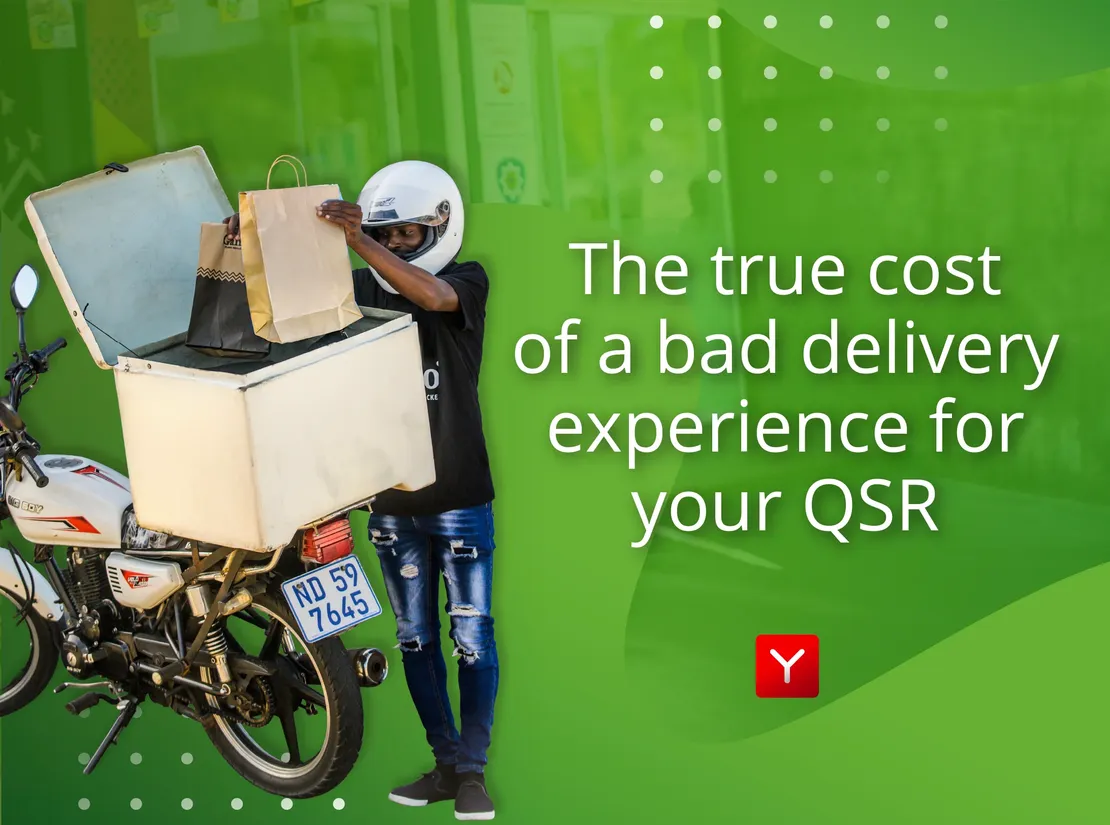
In this article we’ll be discussing…
- Why delivery issues damage customer loyalty
- The three biggest delivery failure points
- What your QSR can control during delivery
- How to recover customers after a bad experience
- Why delivery is now a critical brand touchpoint
Your customer places an order. Your kitchen goes to work and gets everything right. The food is prepared perfectly, packed correctly, and handed over on time. Brilliant! You’ve nailed it!
Then, without warning, the delivery arrives cold, late, or is handled poorly. Here’s the problem – as far as the customer is concerned, it’s not the driver’s fault. It’s yours. That’s exactly why delivery has become one of the most important parts of the customer experience. A bad delivery can undo everything you did right.
Where delivery goes wrong
Most delivery complaints fall into three categories. Let’s explore them…
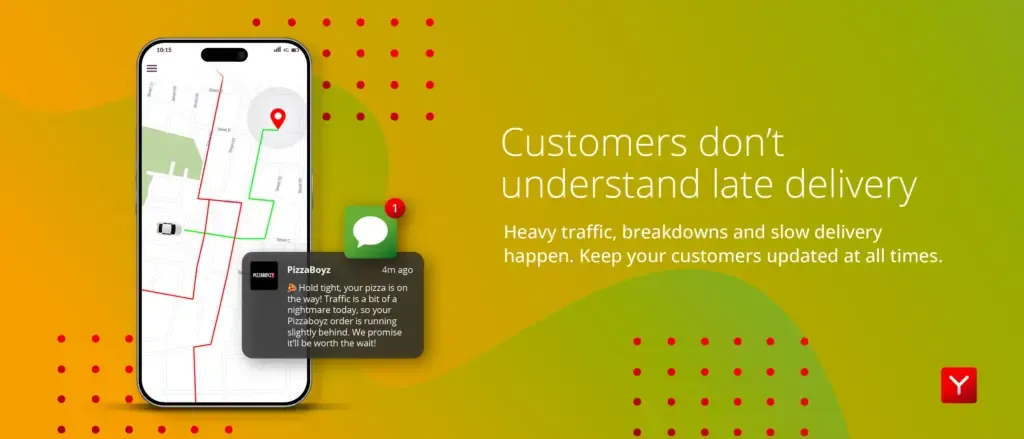
The first is timing. Customers can accept delays if they know what is happening. What frustrates them is waiting longer than expected with no updates or visibility.
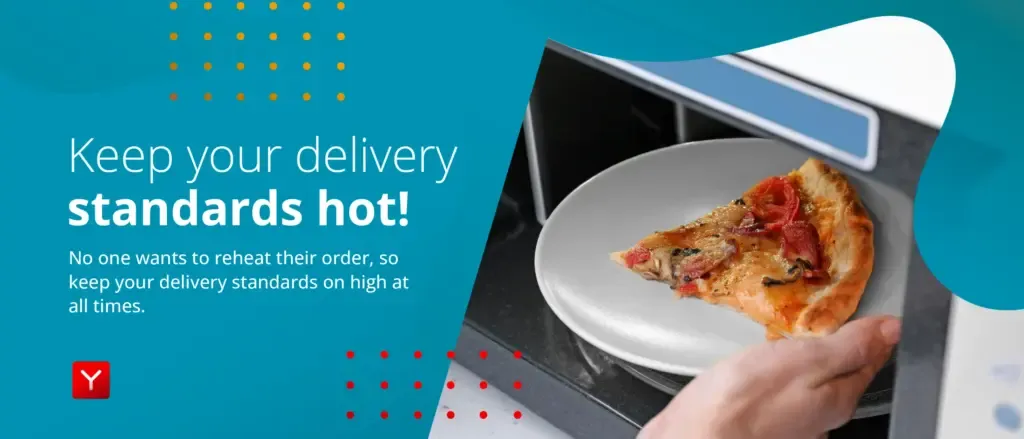
The second is food temperature. Few things disappoint customers faster than cold food. Even if the meal tastes great, a poor temperature creates a negative experience that is difficult to recover from.
The third is driver behaviour. Drivers represent your brand at your customer’s door, even if they work for a third party. Poor communication, careless handling, or incorrect deliveries all affect how customers view your business.
What you can control
While some delivery factors sit outside your control, many do not.
The time between preparing an order and handing it to a driver can be managed carefully. The shorter this window, the better the customer experience.
Delivery zones also matter. A smaller zone with faster delivery often creates happier customers than a large zone with inconsistent service.
Concentrate on your packaging. Good packaging helps maintain temperature, protects food quality, and reinforces your brand.
Real-time tracking and communication also make a huge difference. Customers are far more understanding when they know what is happening with their order. Keep them informed and they’ll be far happier as the process unfolds.
When things don’t go according to plan
Every system no matter how good is ever going to be completely foolproof. You’re going to experience a mistake here and there for sure. So when things don’t go quite according to plan, the best way to handle these moments is to respond quickly. Fast acknowledgement, simple resolutions, and personalised follow-up messages can turn a negative experience into a positive one.
Get up for the challenge
Delivery isn’t just a ‘nice-to-have’ fulfilment channel. Rather, it’s an integral part of your entire brand experience. Your job is to treat it as such and be paying special attention to it each day. Every late delivery and cold meal affects how your customers feel about your QSR. Protecting that experience means protecting your reputation, your loyalty, and your revenue.