










In this article we’ll be taking a look at:
- Why most AI conversations in QSR are focusing on the wrong things
- Where AI is already delivering measurable results
- How AI can improve menus, forecasting, and customer engagement
- Why data quality matters more than AI itself
- What QSR owners and managers should focus on today
Artificial Intelligence (AI) is one of the biggest talking points in the QSR industry and beyond right now. Most conversations focus on robots, automated kitchens, and futuristic technology. But that’s jumping the gun a little because for most QSR operators, that’s not actually where the real opportunity lies. In fact, the next two years of AI will be less about some fantasy of replacing people and more about helping your QSR make smarter decisions using the data you already have.
Ignore the hype
Voice ordering, robotic kitchens, and fully automated QSRs make headlines, but they are not quite grounded in reality. More realistically, AI is happening behind the scenes. It’s more about helping you understand customer behaviour, improve efficiency, and make better decisions faster. The biggest opportunities fall into three areas: menu optimisation, demand forecasting, and customer engagement.
Smarter menu decisions
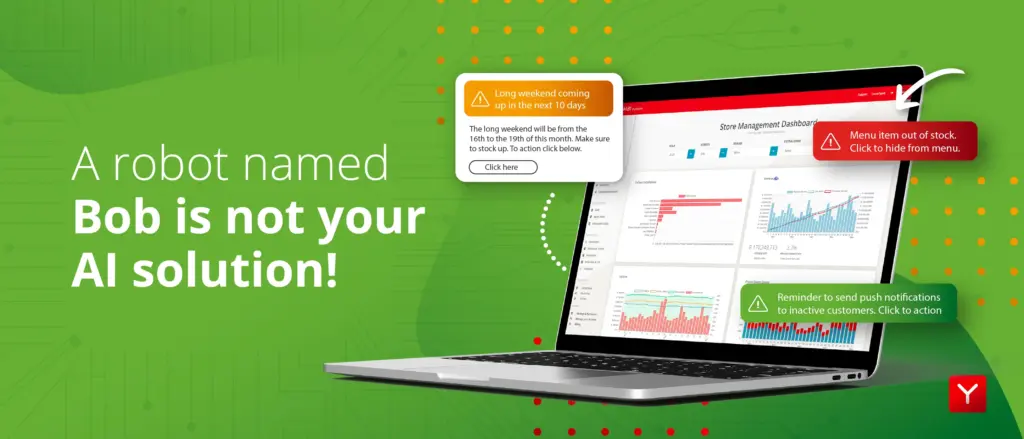
Your menu should not be static. But you already know this! AI can quickly help you by analysing ordering behaviour and then reveal patterns that are difficult for you to spot. It can show you which items customers view but do not buy, which combinations sell well together, and where customers drop out of the ordering process. Nice! This helps you make better menu decisions, improve upselling opportunities, and promote higher-performing items.
Better demand forecasting
One of the biggest challenges in QSR is predicting demand.
AI can analyse historical sales, weather patterns, seasonal trends, and local events to forecast demand more accurately. This helps your QSR reduce waste, improve stock planning, optimise staffing, and avoid running out of popular items during peak periods.
More relevant customer engagement
Many QSRs still send the same promotion to every customer. AI changes that.
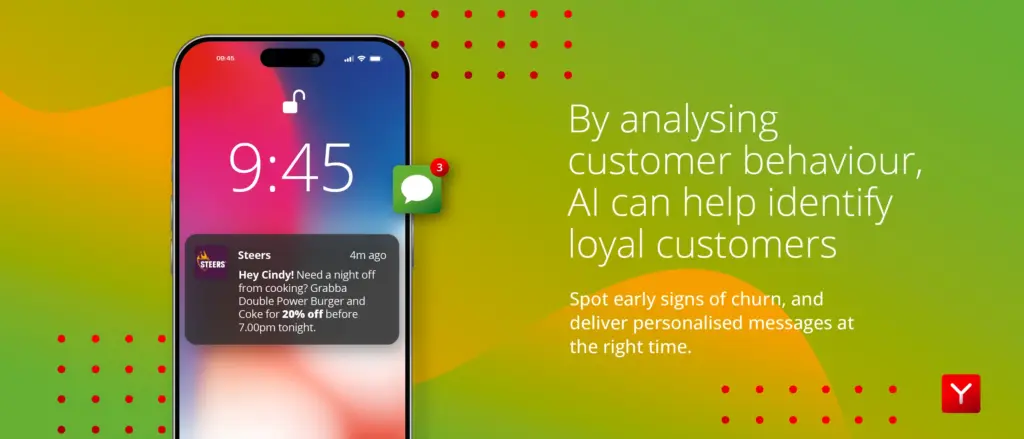
By analysing customer behaviour, AI can help identify loyal customers, spot early signs of churn, and deliver personalised messages at the right time. Instead of generic campaigns, your customers receive offers that are more relevant to their habits and preferences.
Data is the real foundation
Here’s a warning for you to be aware of. One of the biggest errors you can make is believing AI can fix poor data. It can’t. It’s only as good as the information it receives. That is why connected systems, integrated reporting, and a single view of the customer are so important. So remember, the immediate future of AI in your QSR is not about robots replacing staff. Rather, it’s about helping you make better decisions using better data. Build a strong data foundation today and you’ll surely benefit from the AI of tomorrow.