










In this article we’ll be taking a look at:
- The three key customer signals your QSR could be overlooking
- What cart abandonment is really telling you
- Why post-order communication matters
- How to reduce gaps between repeat orders
You probably truly believe that you’re listening to your customers. You look at reviews, likes, and monthly sales reports and generally think all is good with the world. But is it? Real feedback is often actually quite subtle and can show up in small actions during the ordering journey that tell you whether a customer will return… or disappear. Sometimes forever!
Here are three signals you could be missing and what to do about them.
Signal 1: Cart abandonment
When a customer adds items to their cart, they’re ready to order. If they leave, something went wrong. It could be unexpected fees, a slow checkout, or confusing delivery options. The message your customer experiences is simple: “this became difficult.”
What to do:
- Make checkout easy and predictable. Show full costs early. Keep steps simple.
- Start with convenience, not discounts. Only offer incentives if needed. Then follow up.
Signal 2: Post-order silence
A completed order is not the end of a relationship but rather the start.
If a customer hears nothing after ordering, they may feel ignored. The message becomes: “do you care about my experience?”
What to do:
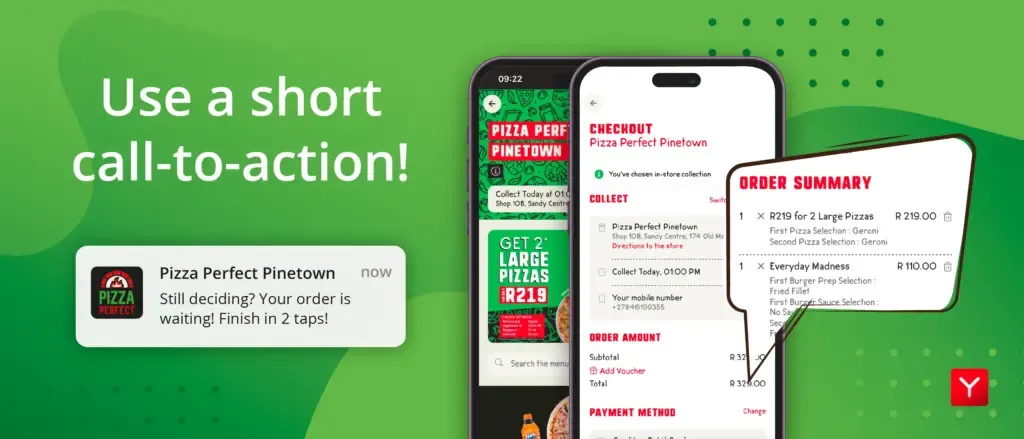
- Stay connected after the order. Send clear confirmations and updates. Then ask for feedback.
For example:
“How was your meal today? Tap to rate your experience.”
- If something went wrong, respond quickly and personally. Fast, human responses build trust.
Signal 3: Long gaps between repeat orders
When customers stop ordering, it’s not random. It’s a signal. They’re asking: “are you still worth coming back to?”
What to do:
- Reach out before they forget you.
After 30 days, send a reminder:
“Fancy your usual? Your favourites are waiting.”
At 60 days, add a small offer. At 90 days, use a stronger incentive.
- Make it personal. Use what you know about their preferences and habits.
Your task is obviously to always aim for more orders, but not at the expense of not hearing what your customers are saying. So always remember to really try and listen to what their behaviour is signalling and what they’re genuinely feeling and experiencing and you’ll turn these small signals into real growth.